Solution
Nuclear Power Plant Alert System
Off-site emergency notification systems for nuclear power plants — high-output siren coverage of the Emergency Planning Zone, operator console at the plant and state EOC, automated activation, and multi-channel redundancy.
What Is a Nuclear Power Plant Alert System?
A Nuclear Power Plant Alert System is the off-site emergency notification infrastructure that surrounds every operating reactor with a network of high-output sirens covering the Emergency Planning Zone (EPZ) — typically 16 kilometres (10 miles) in the United States and 10 kilometres in much of Europe. It is mandated by national nuclear regulators and engineered to alert and instruct the surrounding population within minutes of a declared emergency.
Architecturally, a nuclear plant alert system is built around a centralized operator console — duplicated at the plant control room and at the state or regional emergency operations center — that activates the EPZ siren network. Sirens are pole-mounted within line-of-sight of population centres and provide approximately 60 seconds of attention-getting growl tone, followed by spoken instructions broadcast through voice loudspeakers or via local Emergency Alert System radio takeover.
Multi-channel redundancy is non-negotiable. The siren network is the primary outdoor channel, but every modern system also activates wireless emergency alerts to mobile devices in the EPZ, broadcast EAS interruption on local AM/FM radio and television, and automated phone calls to households on a registered list. Together, these channels ensure that residents receive both the alarm and the specific instruction (shelter in place, take potassium iodide, evacuate north).
Standards are demanding and audited. The US Nuclear Regulatory Commission mandates quarterly silent tests, annual audible tests, and a graded exercise every two years. International standards from the IAEA align with the same principles. Every test, fault, and activation is logged and reported.
Why You Cannot Operate Without One
Reactor Incidents Progress in Minutes
Loss-of-coolant and hydrogen build-up scenarios can progress from declared event to off-site release in under an hour. The EPZ population must be alerted and instructed before that window closes.
Iodine Prophylaxis Has a Window
Potassium iodide is most effective when taken within hours of a release. The alert system is the channel that tells the EPZ population when to take it.
Sirens Are the Only Universal Channel
Mobile networks fail under load and miss the elderly without smartphones. Outdoor sirens are the only channel that guarantees a signal to every person within the EPZ regardless of demographics or device.
Cross-Jurisdictional Coordination
An EPZ typically crosses county lines and sometimes state borders. The alert system is the single piece of infrastructure that speaks with one voice across all of them.
Public Confidence Requires Demonstrated Readiness
Quarterly tests, annual exercises, and visible siren maintenance are the operator's public commitment that the safety case includes a working off-site response. The alert system is the most visible part of that case.
Regulatory Mandate
Off-site notification is mandated by the NRC (US), ASN (FR), HSE (UK), and equivalent regulators worldwide. Operating licences depend on a continuously functional, regularly tested alert system.
How EnergoLab Solves It
EnergoLab supplies the off-site notification component of nuclear power plant alert systems — high-output electronic sirens engineered for the 20-year service life of the plant, the operator console at the plant control room with a synchronized backup at the state EOC, and the integrations to wireless emergency alerts and local EAS broadcast. Every system is scoped to the specific EPZ topography and validated against the regulator's quarterly and annual testing requirements.
Real-World Impact
Reactor Incident
Three Mile Island — March 28, 1979
The partial core meltdown at Three Mile Island Unit 2 exposed the absence of any coordinated off-site notification infrastructure. The US response — codified in NUREG-0654 — established the modern EPZ siren-network requirement that has been deployed at every operating US reactor since.
Reactor Incident
Fukushima Daiichi — March 11, 2011
The earthquake and tsunami that disabled cooling at Fukushima Daiichi also disrupted the existing public alerting infrastructure. The lessons-learned response — including IAEA Safety Standards updates — drove substantial investment in resilient off-site alerting at nuclear facilities globally.
Routine Operations
Annual Graded Exercises
Every operating nuclear plant in the US conducts a federally evaluated emergency exercise on a defined cycle. The alert system is exercised end-to-end — operator activation, EPZ siren sounding, EAS broadcast, and population response — and graded by FEMA evaluators on each cycle.
Key Capabilities
Full EPZ Coverage
Siren network engineered to cover the full 16 km / 10 mile EPZ with overlapping audible zones — survey-validated for the specific terrain of each site.
Plant + EOC Operator Console
Synchronized activation from the plant control room and the state emergency operations center, with role-based access, audit logging, and automatic failover.
60-Second Growl + Voice Broadcast
Standard attention-getting growl followed by pre-recorded or live voice instructions — selectable per scenario and per zone within the EPZ.
Multi-Channel Activation
Single operator action triggers EPZ sirens, wireless emergency alerts, EAS broadcast interruption, and registered-household automated phone calls.
Solar and Battery Backup
Every siren is solar-charged with battery autonomy of seven days or longer — engineered to outlast the grid failures that often accompany the events the system warns about.
Regulator-Grade Test Logging
Quarterly silent test, annual audible test, and every activation logged and exportable in the format the regulator expects for licence-renewal review.
Products Used in This Solution
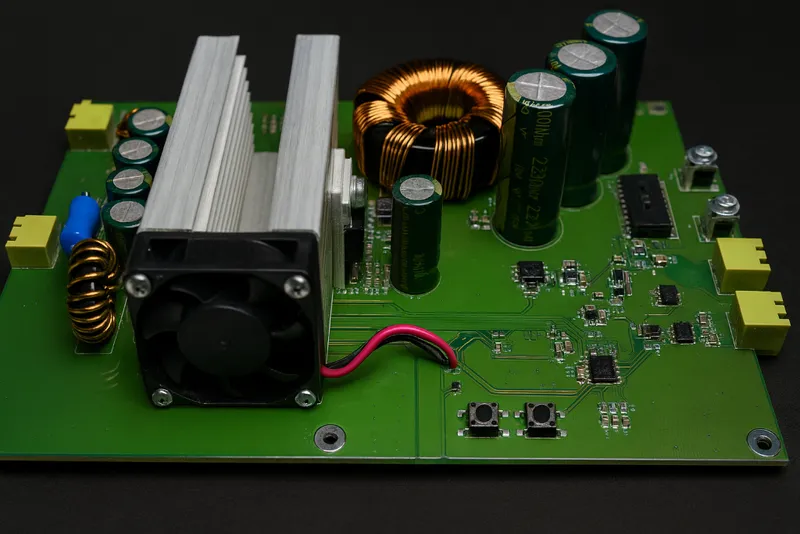
Amplifiers for Any Systems
High-power, efficient amplifiers designed to boost the range and clarity of alert and public address systems.
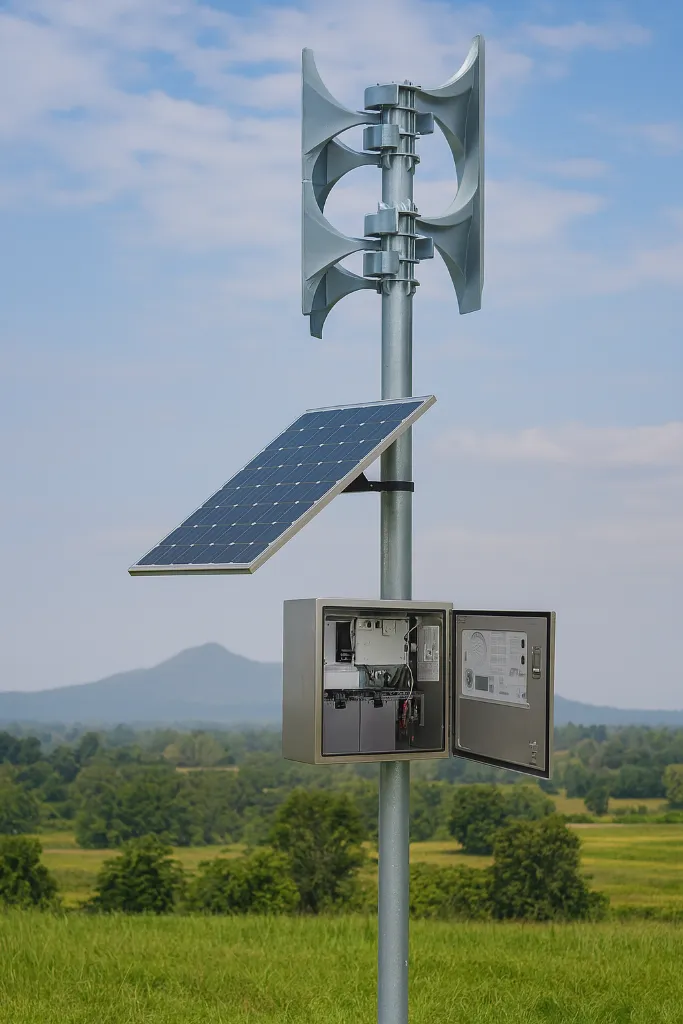
Electronic Siren with Cabinet
A powerful, solar-powered electronic siren complete with a weatherproof cabinet for long-range emergency alerts.
Typical Use Cases
- Nuclear power plant operators (PWR, BWR, SMR) deploying or refreshing EPZ siren networks
- Spent-fuel storage facility operators required to maintain off-site notification
- State and regional emergency management agencies with nuclear sites in their jurisdiction
- Nuclear research reactors at universities and national laboratories
- Nuclear regulators specifying off-site notification standards for new build
Ready to Discuss Your Requirements?
Talk to our engineering team about your specific deployment scenario.